Small Backyard Chicken Run
Highlighted under: Quick Meal Shortcuts
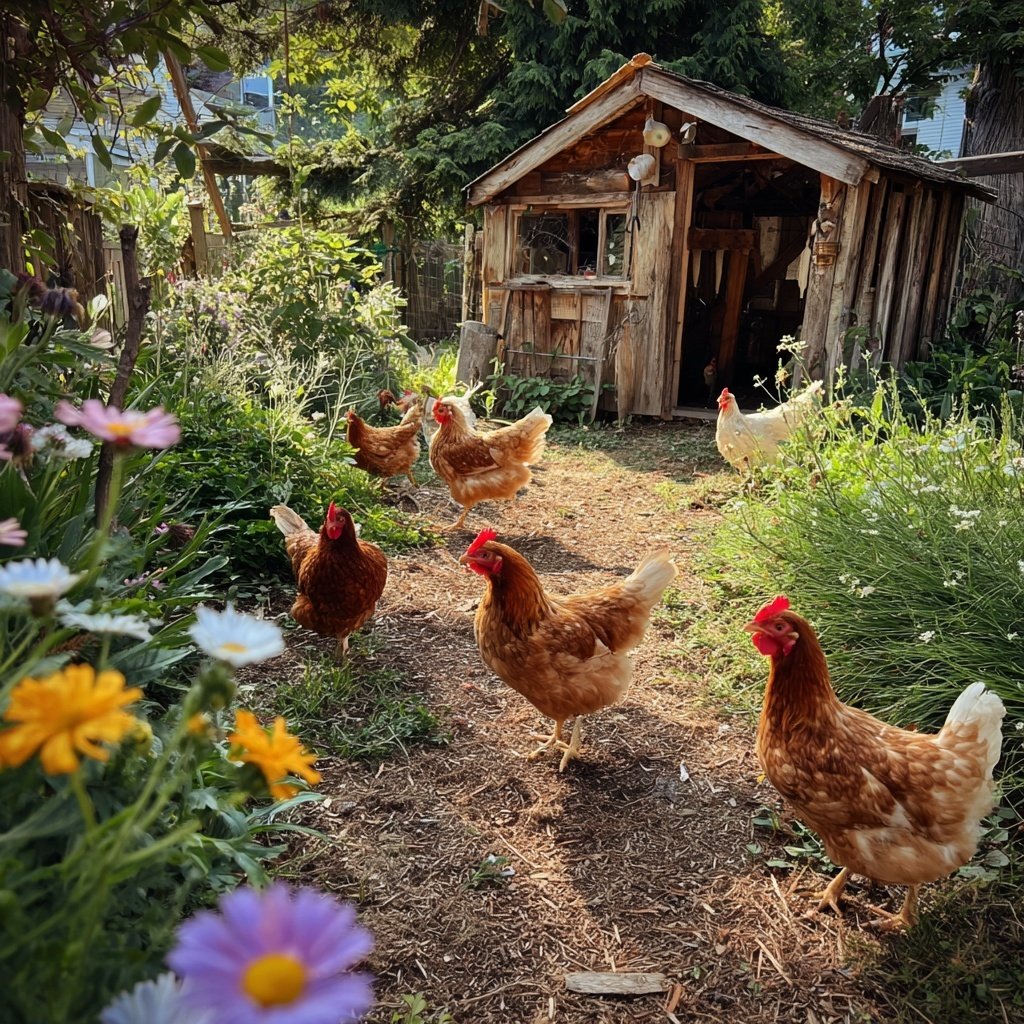
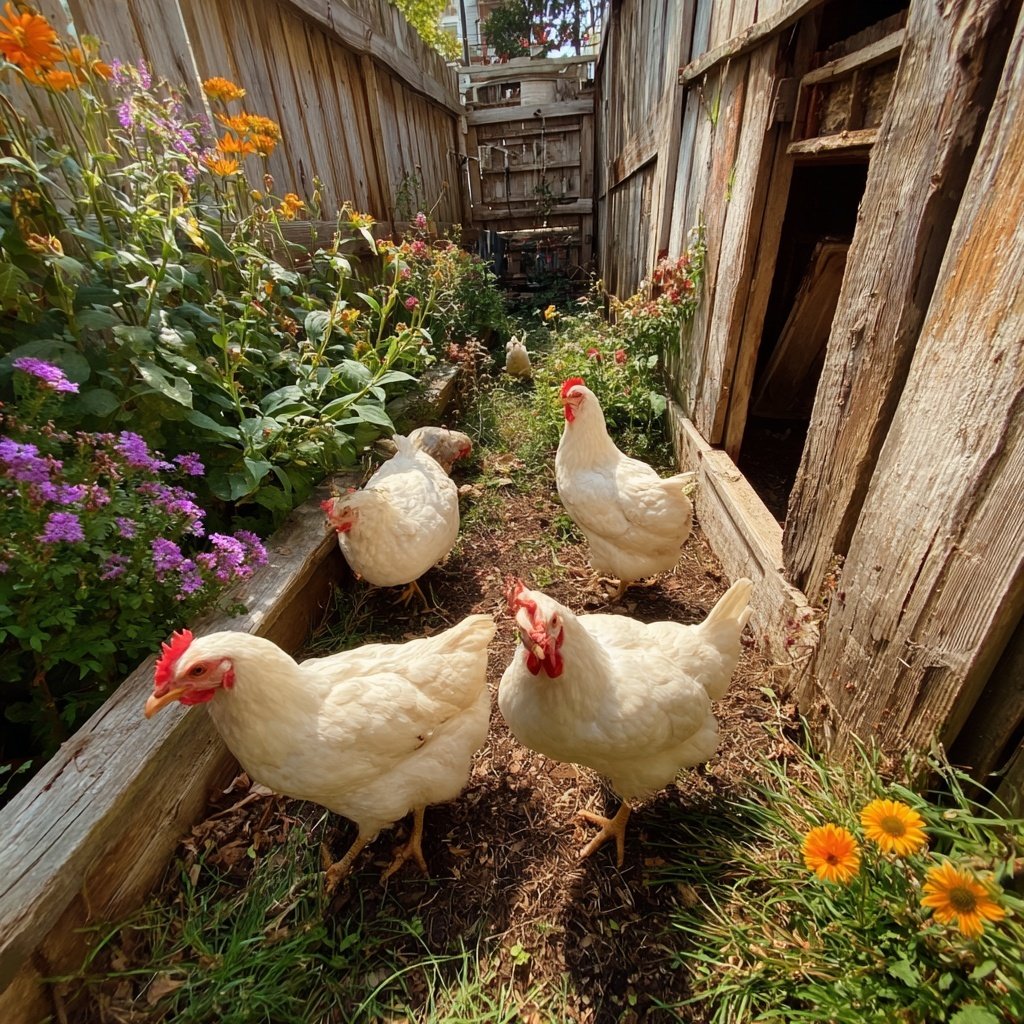
I recently decided to take the plunge into backyard chicken-keeping, and building a small chicken run was my first project. My goal was to create a cozy, secure space for my feathered friends while ensuring they have enough room to roam. Using simple materials and thoughtful design, I was able to create a functional run that perfectly complements my backyard. This project has truly been rewarding, and I can't wait to share the details with you.
When I began this journey, I quickly learned how crucial it is to have a secure chicken run. I watched my hens roam freely, observing their behavior, and I realized that having enough space allowed for happier, healthier chickens. I decided to create a run that was not only safe but also offered some shade and enrichment.
I used repurposed materials to keep the costs down and added features like perches and plants for natural foraging. Each step brought me closer to a charming little habitat where my chickens thrive, and I have loved watching their personalities emerge in this cozy space.
Why You'll Love This Project
- Easy to customize based on available space.
- Provides a safe environment for your chickens.
- Encourages healthier chickens through outdoor activity.
Choosing the Right Location
Selecting the best spot for your chicken run is one of the first and most crucial steps in the construction process. Look for an area that receives a mix of sunlight and shade throughout the day, as chickens enjoy basking in the sun but also need cooler areas to escape heat. Ensure the ground is level to simplify construction and prevent water pooling, which can lead to a muddy environment for your chickens.
Additionally, consider proximity to your home or shed for easy access to feed and care supplies. A location that is sheltered from strong winds will help protect your chickens from harsh weather conditions. If possible, place the run near existing vegetation or shrubs to provide a natural barrier and additional enrichment for your chickens.
Building a Durable Frame
When constructing the frame of your chicken run, using sturdy materials is essential. Pressure-treated wood or treated metal posts will withstand the elements better compared to untreated wood. Ensure that each post is securely anchored into concrete for maximum stability, which will not only support the fence panels but also resist any digging attempts by predators that may be lurking around.
As you assemble the frame, take care to measure multiple times to avoid misalignments. A level frame helps preserve the aesthetic and functionality of the run. Installing diagonal bracing between the posts can provide even more rigidity, making your run a secure haven for your chickens for years to come.
Enhancing Your Chicken Run
Adding perches at different heights can provide an enriching environment for your chickens. Chickens naturally like to roost high up, so incorporating various perch levels encourages their natural behaviors. Use untreated wood for the perches to avoid harmful chemicals. Make sure the perches are sturdy and easily accessible, and check regularly for signs of wear or splintering.
Consider incorporating movable elements within the run, such as a small chicken tunnel or a dust bath area. This not only keeps the run interesting for your flock but also allows you to rearrange their space occasionally to maintain cleanliness. Utilizing natural materials, like straw or sand for bathing, can aid in keeping your chickens’ feathers healthy and clean.
Ingredients
Gather the following materials to build your chicken run:
Materials
- Fence panels
- Posts
- Wire mesh
- Hinges
- Nails
- Wood for perches
- Roofing material (optional)
- Paint (non-toxic, if desired)
Ensure all materials are of good quality and suitable for outdoor use to enhance durability.
Instructions
Follow these steps to build your small chicken run:
Prepare the Site
Choose a flat area in your backyard with good drainage. Clear the ground of any debris, and mark the dimensions of the run.
Build the Frame
Using your posts, create a rectangular frame by digging holes for the corners and securing the posts with concrete. Make sure the frame is sturdy.
Attach the Fence Panels
Once the frame is set, attach the fence panels using nails. Ensure they are fixed securely to prevent any escape.
Install the Top
If you are using roofing material, attach it to the top to provide shade and additional shelter from rain.
Add Perches and Enrichment
Install wooden perches at varying heights and consider adding plants or grass for them to forage.
Final Touches
Inspect the run for any sharp edges and ensure everything is secure. If desired, paint the exterior with non-toxic paint for aesthetics.
Once completed, introduce your chickens gradually to the new environment to help them adjust.
Pro Tips
- Always check local regulations regarding backyard chickens, and consider adding a dust bath area to enhance their well-being.
Maintenance Tips
To ensure your chicken run remains in great condition, routine checks for wear and tear are vital. Look for any sharp edges, especially around the fence connections, and smooth these out immediately to protect your chickens. Regularly inspect the wire mesh for holes or loose edges where predators might gain access, and re-secure these areas promptly.
Cleaning the run frequently will contribute to your chickens' health and happiness. Remove waste and uneaten food regularly, and wash down surfaces with a mild, non-toxic cleaner. This prevents the buildup of harmful bacteria and pests, making your chickens more comfortable and giving you peace of mind.
Seasonal Adaptations
As seasons change, you may need to make adjustments to your chicken run. During hotter months, providing shaded areas using tarps or natural shelter can help your chickens stay cool and hydrated. In winter, ensure that the run remains dry by adding bedding such as straw to help insulate your flock from cold conditions.
Additionally, creating windbreaks using hay bales or extra fencing can significantly improve your chickens’ comfort in colder weather. Be sure to monitor their water supply closely, as it can freeze overnight in winter months—using heated water dishes can keep it accessible and fresh.
Questions About Recipes
→ How much space do chickens need in a run?
A minimum of 10 square feet per chicken is recommended for a comfortable run.
→ Can I use recycled materials?
Yes, repurposed materials can be used effectively, just ensure they are safe for the chickens.
→ How do I protect the run from predators?
Make sure to use strong fencing and consider burying lower edges to prevent digging. A roof can also help.
→ How often should I clean the chicken run?
Regular cleaning every week or bi-weekly helps maintain hygiene and reduces parasites.
Small Backyard Chicken Run
Created by: Ariana Brooks
Recipe Type: Quick Meal Shortcuts
Skill Level: Beginner
Final Quantity: 1 run
What You'll Need
Materials
- Fence panels
- Posts
- Wire mesh
- Hinges
- Nails
- Wood for perches
- Roofing material (optional)
- Paint (non-toxic, if desired)
How-To Steps
Choose a flat area in your backyard with good drainage. Clear the ground of any debris, and mark the dimensions of the run.
Using your posts, create a rectangular frame by digging holes for the corners and securing the posts with concrete. Make sure the frame is sturdy.
Once the frame is set, attach the fence panels using nails. Ensure they are fixed securely to prevent any escape.
If you are using roofing material, attach it to the top to provide shade and additional shelter from rain.
Install wooden perches at varying heights and consider adding plants or grass for them to forage.
Inspect the run for any sharp edges and ensure everything is secure. If desired, paint the exterior with non-toxic paint for aesthetics.
Extra Tips
- Always check local regulations regarding backyard chickens, and consider adding a dust bath area to enhance their well-being.
Nutritional Breakdown (Per Serving)
- Calories: 0 kcal
- Total Fat: 0g
- Saturated Fat: 0g
- Cholesterol: 0mg
- Sodium: 0mg
- Total Carbohydrates: 0g
- Dietary Fiber: 0g
- Sugars: 0g
- Protein: 0g